What Are Microbes and Why Are They Essential To Your Well-being
What are microbes?
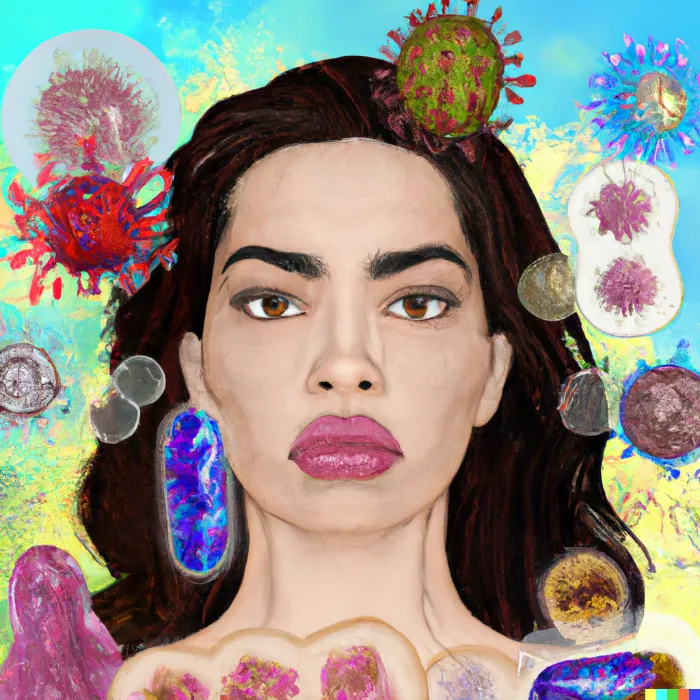
Microbes, also known as microorganisms, are tiny living organisms that are too small to be seen with the naked eye. They include bacteria, viruses, fungi, and protozoa. An analogy for microbes would be the workers in a factory. Just as a factory has many different types of workers with different roles and responsibilities, the body has many different types of microbes with different roles and functions. Just as the factory workers work together to produce goods, the microbes work together to keep the body healthy. Just as a factory can't function well without a balance of different workers, the body can't function well without a balance of different types of microbes.
Why do you want a healthy balance of microbes in your gut?
Having a balance of different types of microbes in the gut is important for maintaining overall health and well-being. A healthy gut microbiome, or the collection of microorganisms living in the gut, is essential for several bodily functions, such as:
Digestion: A healthy gut microbiome helps to break down and absorb nutrients from food. It also helps to prevent the overgrowth of harmful bacteria that can lead to digestive issues.
Immune function: The gut microbiome plays a crucial role in the immune system by helping to protect against infections and illnesses. A healthy gut microbiome can also help to reduce chronic inflammation, which is linked to many serious health conditions.
Mental health: The gut and brain are closely connected, and an imbalance in the gut microbiome can lead to changes in brain chemistry, resulting in conditions such as depression and anxiety.
Metabolism: A healthy gut microbiome also plays a role in regulating energy metabolism and appetite, which can help to prevent weight gain and obesity.
In summary, a balance of different types of microbes in the gut is important for maintaining overall health and well-being. The diverse collection of microorganisms works together to support various bodily functions, such as digestion, immune function, mental health, and metabolism. When the balance of microbes is disrupted, it can lead to a wide range of health problems.